Whenever I look at Hangeul, I feel as though I am witnessing a mysterious kind of magic.
A single dot, a simple line—when they come together, they become a voice, and the voice becomes a heart.
At the beginning of it all are consonants and vowels.
Consonants are like bones. The moment the tongue touches, the moment the lips close, in that instant, letters are born. The firm resonance of ㄱ, the soft lips of ㅁ, the sharp breeze of ㅅ. Consonants create sound, yet on their own they cannot form words—just as bones alone cannot make a body come alive.
Then vowels arrive. Vowels are breath and light. A dot for heaven, a horizontal line for earth, a vertical line for humankind. These simple marks join together to embody the harmony of heaven, earth, and humanity. They slip into consonants and breathe life into them. With vowels, sound gains words, and words carry meaning.
When consonants and vowels come together, an entire world opens.
Within the syllable “가(ga)” lies the strength of stepping firmly upon the ground.
Within “라(ra)” flows the rhythm of the wind.
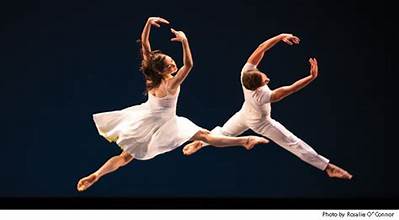
Together, consonants and vowels lean on one another, intertwining like dancers, and they unfold endless landscapes of sound.
I am always moved by this dance. It is not merely a combination of letters, but as if humankind and the universe join hands in song.
Perhaps Hangeul whispers to us in this way:
“Open the world with your voice.
Let consonants be your bones, and vowels your breath.”
The consonants and vowels of Hangeul, in the end, resemble the story of our own lives.
Just as people meet and thoughts intertwine to create a new world,
so too do we listen, understand one another, and live together within it.
 Laura's Korean Story
Leave a comment